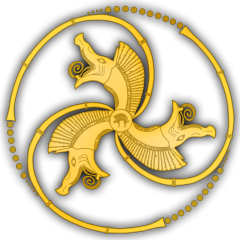
In Druneneton, we have a metaphorical vessel that holds all within the universe; it is the universe. We call this Parios Noibos (The Sacred Cauldron). Parios Noibos symbolises transformation and transmutation. We all come from it, so shall we will all return to it. It is the cosmic cauldron that holds all things together. Within Parios Noibos, we have three elements, more so the primordial elements in all that is and make up all that is. That brings us to elemental thought, thinking in the realm of elements. That may take some time for one’s mind to contextualize. That is ok. Thinking in this way can take some time, but once you start to understand, truly seeing what is and is not will help you understand your own being better and all that which is around you.
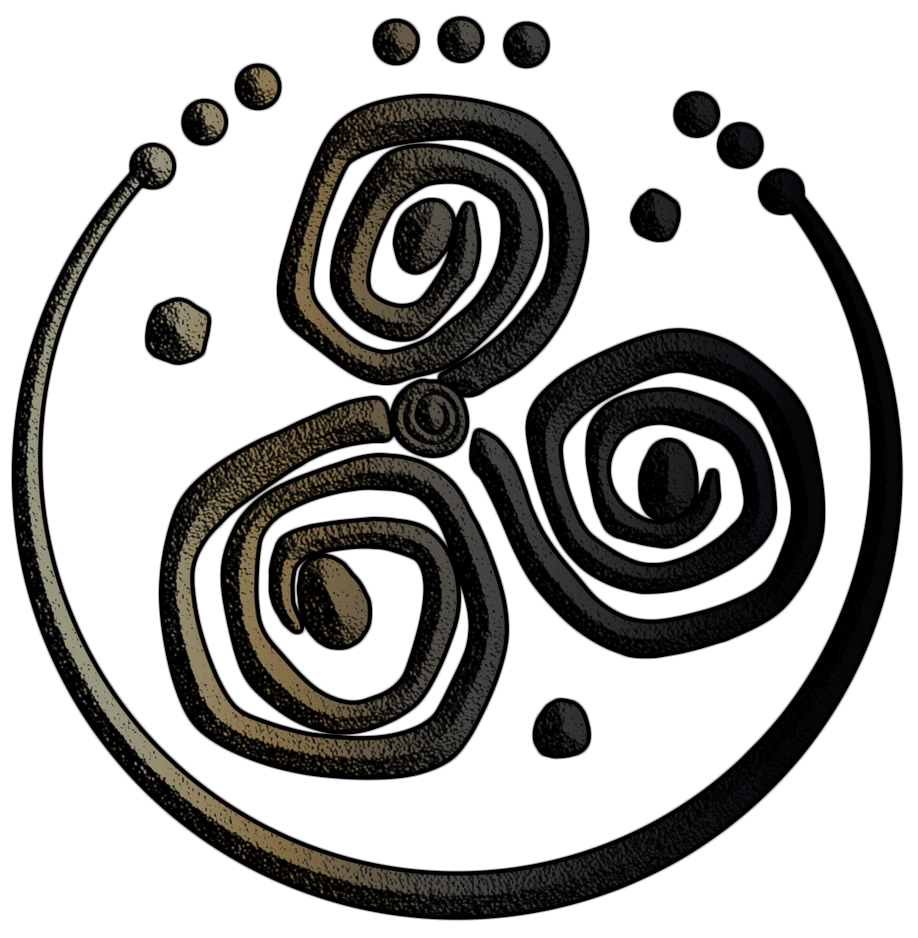
These primordial elements are called Cintutrîberous
“The first three sources”
Nemātis is the first to form; it is connected to consciousness and life-giving forces to all beings. It’s the spirit of all things and the mind. It encompasses the sky and the heavens. This is the spark that encourages the growth of the spirit of life flowing through all things. Nēmāros is not a physical thing but the spirit behind it. This is the unseen energies behind energies and spaces. Symbolically, we could look at this as the Spirit/ sky. This corresponds to Mercury and the spirit.
Uariātis is the second to form; it is the flow and fluidity; it’s the element connected to motion, growth, and decay. This is connected to the giving change within all things. It’s the physical manifestation on all levels. This is responsible for the change we see in all nature, from life to death. Symbolically we could look at this as Flow/water. This corresponds to Sulfur and the soul.
Tirātis is the third and final form. It’s the source of form, differentiation, manifestation, and stability. It is solidity. It is the physical manifestation of things within the world: their form, their substance, and their distinguishing features. Symbolically we could look at this as solidity/earth. This corresponds to salt and the body.
Example
- Tirātis is the material that a Gobanios (Smith) would use to make a knife.
- Uariātis would be the process of forging and the knife itself.
- Nemātis is the knowledge to do this.
The Cintutrîberous are tools to help us see and feel the deeper interconnectedness beyond our own comprehension.
The Cintutrîberous are also connected to and what makes up Drus. These three Primordial Elements flow in all things.




 Gaulish Paganism