Drunemeton is the name given to the assembly of Bardoi, Uâtîs, and Drûides, focusing on the traditions of the Druids, Ovates, and Bards from a Gaulish and Brittonic perspective. It serves as the foundation for preserving and developing the customs associated with each path, known respectively as Bardobessus, Uâtibessus, and Drûidobessus.
Unlike contemporary Druid orders, Drunemeton is not structured as a hierarchy or a system to ascend. Each Bessus represents a unique and equally significant lifestyle of devotional living, centered on honoring its specific path. These are not titles to claim for status but ways of life that deepen one’s spiritual connection and understanding. No single custom is greater than another; they stand as equals, each offering its own focus and wisdom.
The Sacred Purpose of Drunemeton
Drunemeton is not something to join but rather something to help build—a living, evolving process shaped by sacred intent. Rooted in the celestial motion of Venus, our creation is imbued with magic and meaning. Just as the ancients looked to Venus for understanding the rhythms of agriculture and the transitions of light and dark seasons, we too draw upon Venus’s cycles to empower and inspire what unfolds under the sacred trees of Drunemeton.
Venus, for us, embodies the fertile powers of rebirth and renewal. Its motion through the cosmos forms a Pentagrammic Pattern, beginning and ending in alignment with the Pleiades over an eight-year cycle. This current cycle began on April 3, 2020, when the first seeds of Drunemeton were metaphorically planted. As Venus completes its journey back to the Pleiades in April 2028, this foundational phase of building Drunemeton will conclude.
We honor this celestial rhythm, using the stars and their movements as symbols of rebirth and transformation. The number eight holds deep significance, resonating with Pythagorean geometry as the points of a cubic stone—a concept linked to Uissus Druidicos (sacred Druidic teachings), which will be explored in due time. Central to this cosmic journey is Sironâ, the great keeper of cycles, who guides us in our sacred duty to culture and renewal.
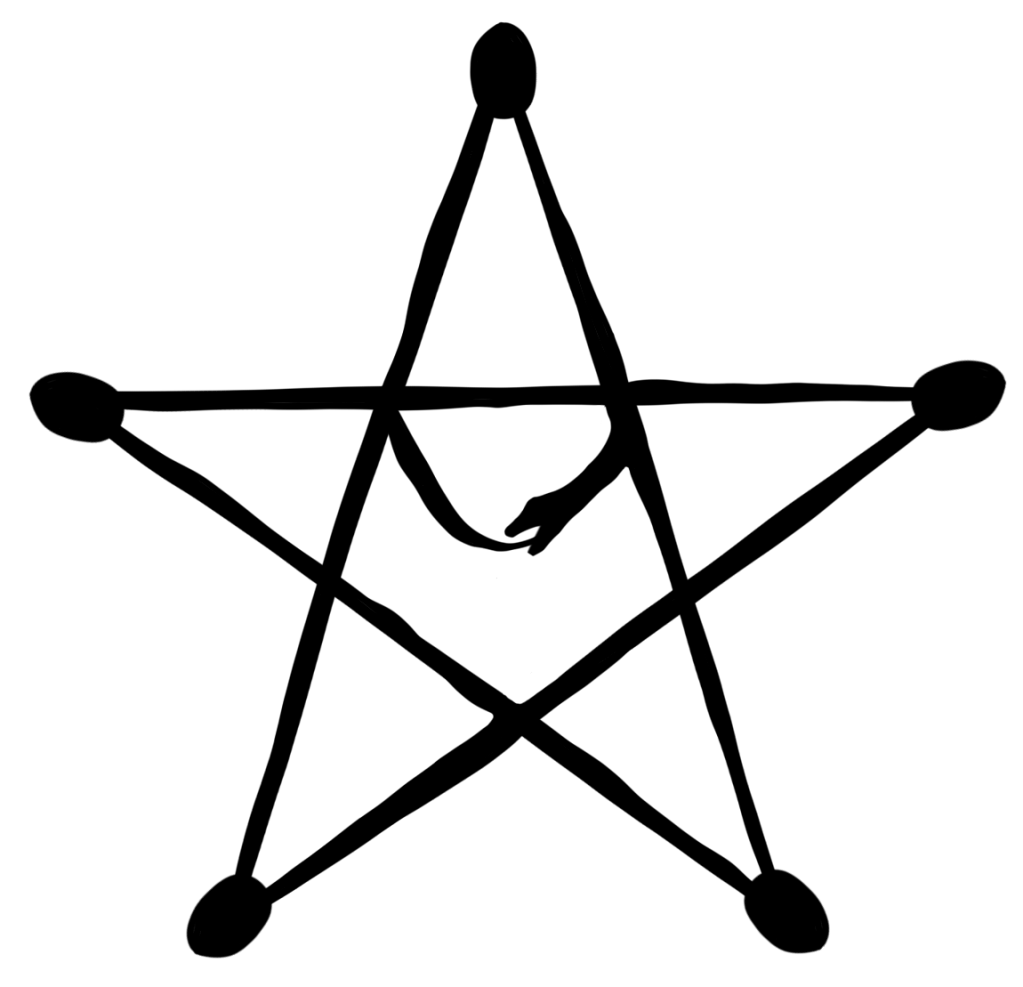
The Pempocelon (Pentagram), representing Venus’s celestial motion, is our magical symbol of time. This ancient Gaulish motif, found on coins, serves as a bridge between the old and the new. Within Drunemeton, we reclaim such symbols and imbue them with fresh purpose, aligning them with our vision. This act of symbolic creation, called Inscrîbatus, forms the foundation of Drunemeton’s magical practices.
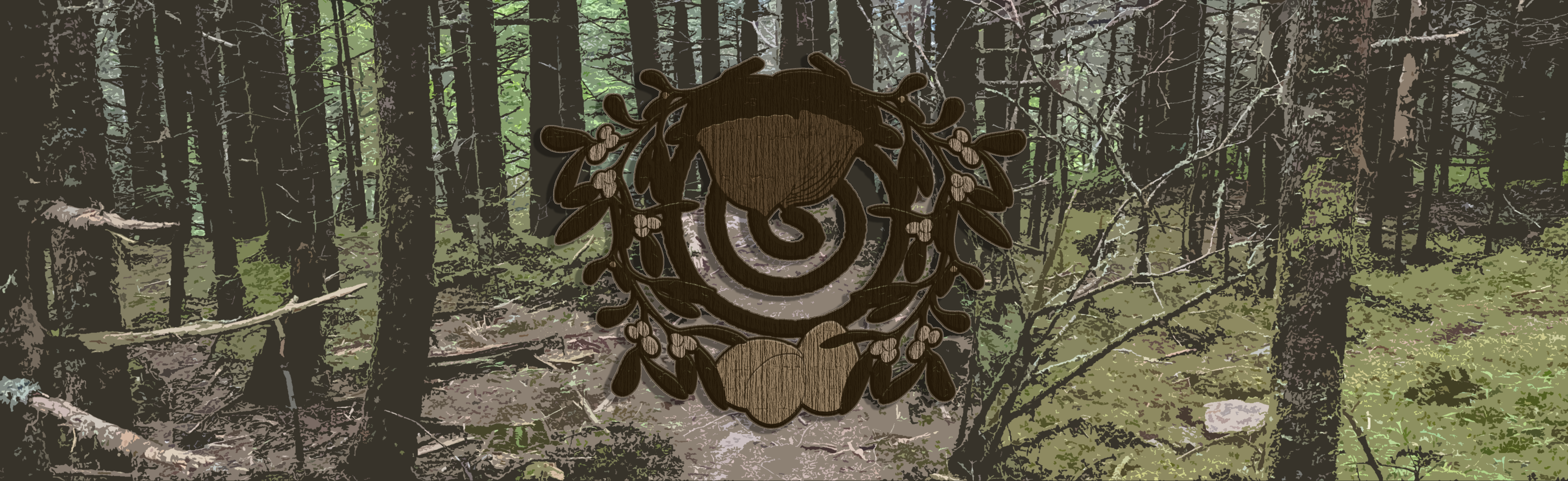
This connection to the stars and symbols is not merely an exercise in tradition but an act of devotion to the ancestors, the deities, and the modern culture. As Venus’s cycle progresses, the Inscrîbatus of the Bardos, Uatis, and Druits evolves, symbolized by a great serpent nurturing three eggs. These eggs embody the three traditions under Drunemeton, each hatching in April 2028, as Venus once again aligns with the Pleiades.

Drunemeton is not a tradition in the typical sense, nor is it confined to any single Gaulish path. It is a lifestyle centered on rigorous devotion to the greater Gaulish community. Under the sacred trees of Drunemeton, diverse approaches to Gaulish thought—be they historically attested or modern and syncretic—are welcome. Here, we transcend individual traditions to unify as one community.
This undertaking is not for everyone. It demands unwavering dedication, focus, and a lifestyle rooted in service and devotion. To walk this path is to live and breathe the sacred roles of Bardos, Uatis, and Druits, committing oneself to the well-being of the greater Gaulish community.
Be sure to check back periodically to see how these traditions are growing and what’s new!
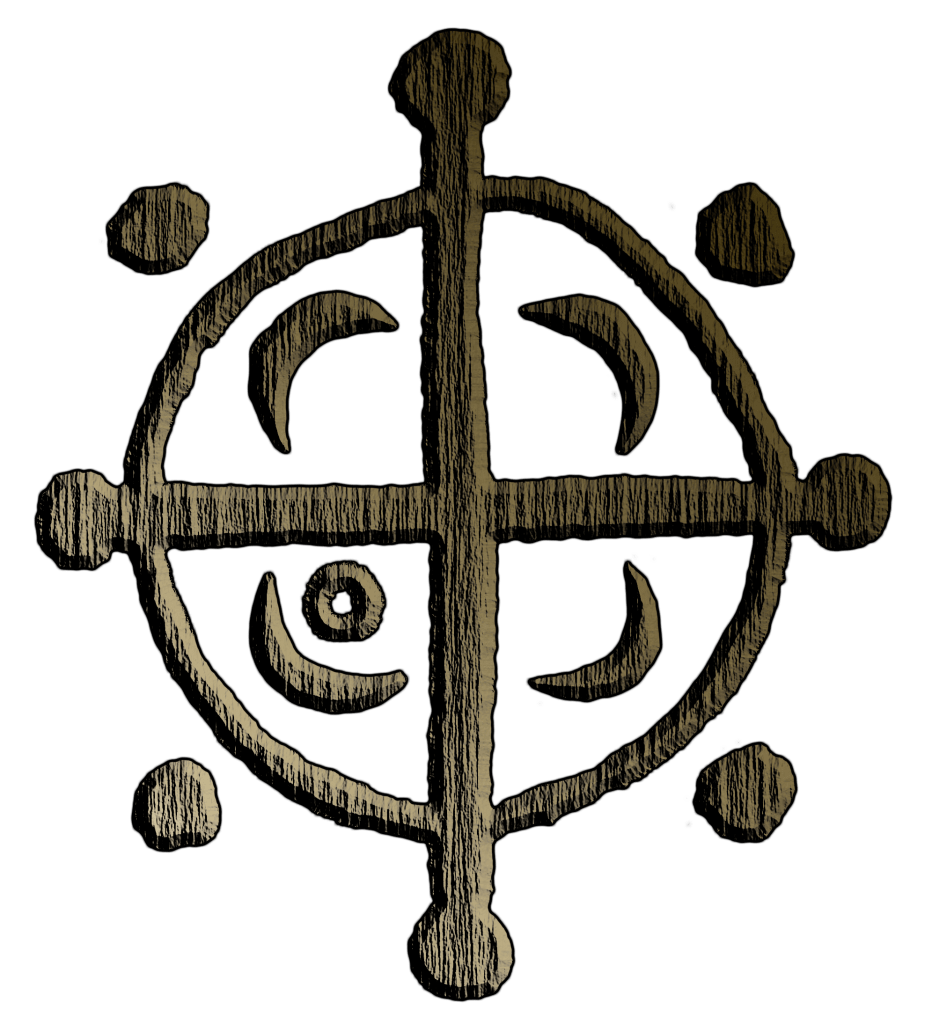
Drûið (One who knows Drus)
Mediators and Arbiters of the Divine
They have philosophers and theologians who are held in much honor and are called Druids.
(Diodorus of Sicily, Historical Library, V, 31, 2)
The Drûið serves as a guide and teacher, fostering philosophical understanding to illuminate individuals and communities. They excel in celebrant roles embodying the wisdom of Drus (the world tree) bridging the worlds for the seekers. As civilizers, they uphold order but also embrace their liminal nature, walking thresholds to gain great insights. Drûides are thinkers, operating outside cultural norms to teach deeper truths, often tied to Albios and mystery traditions. Each Drûið may specialize in one area or explore many paths.
They are the philosophers of natural
and moral philosophies.
They are the Theologians, They study of the motions of the cosmos, They know the Deities, They are Liminal and absent from Voting, The Celebrancy those that do Funeral Rites, Marriage Rites, Naming Rites, and things of this nature, The creators of Rituals and Rites, Those that understand the order of
all things, Wise from years of study, Maintainers to the laws of the tribe, Trusted Advisors, Judges, Arbiters, Servents for the community.
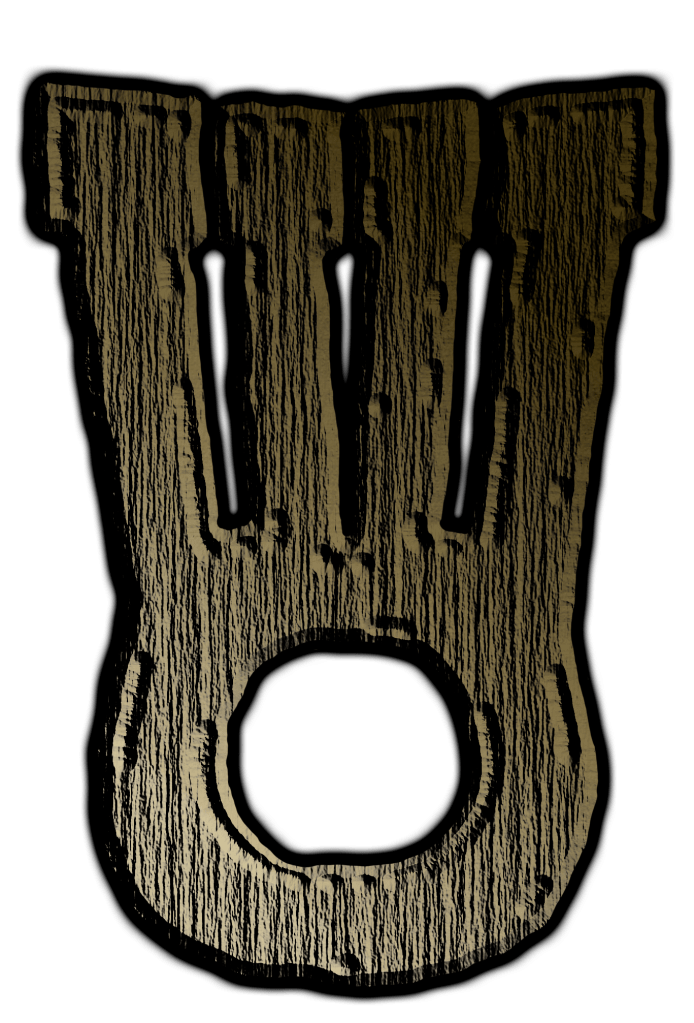
Bardos (Praise Poet)
These are the Poets and singers
There are lyrical poets among them, whom they call bards. These, with instruments similar to lyres, evoke those whom they praise as well as those whom they mock.
(Diodorus of Sicily, Historical Library, V, 31, 2)
A Bardos dedicates themselves to creating prayers, myths, songs, and incantations, celebrating justice and criticizing wrongs while upholding the Trirextoues. They connect to Auenâ srourâ (flowing inspiration), contributing to lore, preserving language, and reviving oral traditions. Rooted in Bitus (Earth), they honor the beauty of the world through praise for heroes, ancestors, and Deuoi. Bardoi also explore myths, reconstructed poetic forms like Brixtu and Sulabaros Tritanuos, and mentor others. Two branches, Molatucerdoi (visual arts) and Scletosaigoi (storytelling), adapt Bardic customs for the modern age.
The keepers of Lore, Entertainers, Holders of the Words, Archivists, Teachers, through the words, Gaulish Language, Connecting to people and using the magic of their form to influence, Making Incantations, Invoking feelings within the people, The making and playing of Music.
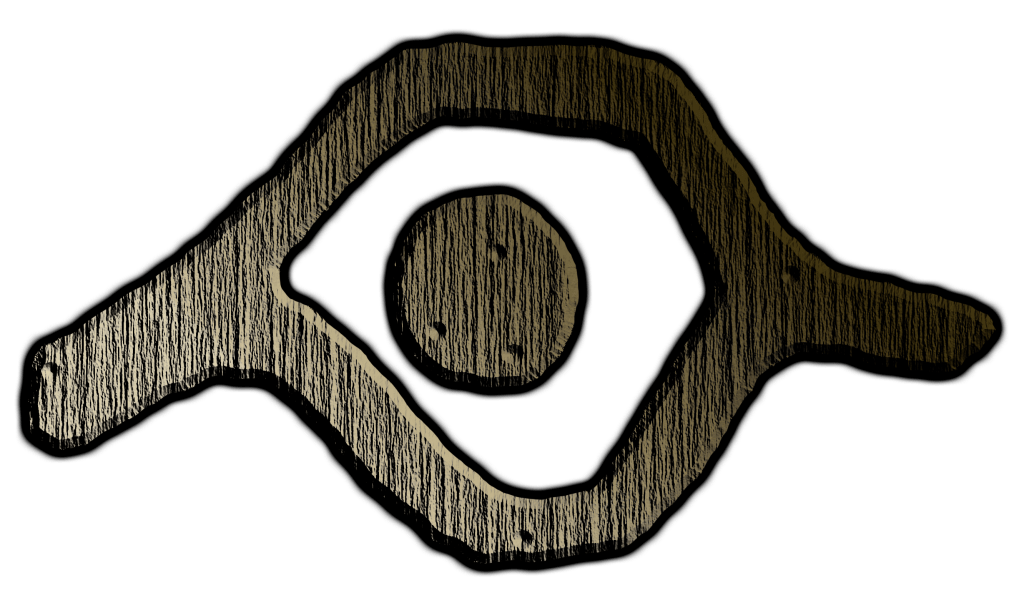
Uâtis (The Mantic One)
The Seers and Healers
They have soothsayers too of great renown who tell the future by watching the flights of birds and by the observation of the entrails of victims, and everyone waits upon their word.
(Diodorus of Sicily, Historical Library, V, 31, 2)
The Uâtis embodies deep knowledge of herbs, mastering both their practical uses and magical properties. They follow divination practices. Expertise in Samolouissus (Plant Knowledge) is essential, alongside proficiency in sacrifices and interpreting omens. Connected to Dubnos (Underworld), the realm of mysteries, Uâtis venture into the unknown to retrieve wisdom and bring enlightenment. They bridge human behavior’s tangible aspects with the spiritual journeys to and from the depths of Dubnos.
One who takes omens, A healer in all things to all things. Knowledge of plants and trees and
understands the benefits of them., One who studies divination, Natural philosophers, Does sacrifices, Knows incantation’s.
Our Core Values
Our path is guided by foundational values that shape our way of being in the world. These values reflect the essence of our beliefs, inspiring us to live with purpose, integrity, and reverence.
The Three Laws (Trirextoues) are central ethical principles that govern how one should live within the spiritual and moral framework. These laws emphasize respect for the divine, the importance of ethical behavior, and the cultivation of self-discipline. They offer a way to navigate life with integrity, responsibility, and harmony with the world around us.
- Dugie Dêuûs – “Honor the Gods”
This law instructs individuals to show reverence and respect to the divine, the gods, spirits, and all forces of nature. This highlights the sacred connection between humans and the divine. The idea is that all things are interconnected and sacred, and by honoring the gods, one strengthens their bond with the divine and the natural world. This could be expressed through rituals, offerings, prayers, and the acknowledgment of the divine in all things. It encourages mindfulness and respect for the sacred order of the universe. - Gneie ne drucon – “Do no evil”
This law focuses on living an ethically responsible life, avoiding harm to others, and staying true to one’s moral compass. It stresses the importance of virtue, integrity, and morality. To “do no evil” is not only to refrain from harmful actions but also to strive towards kindness, justice, and fairness in all endeavors. This teaches the importance of kindness, honesty, and fairness in all relationships. It calls for reflection on one’s actions, ensuring that they align with ethical standards and contribute positively to the world. - Delge āxtam – “Hold your behavior”
This law speaks to the importance of self-discipline and mastery over one’s impulses, actions, and words. It encourages the cultivation of patience, mindfulness, and careful thought. By holding one’s behavior, an individual exercises control over their responses to situations, ensuring that they align with higher virtues. This is expressed through conscious behavior, whether in speech, action, or thought. It promotes reflection and intentionality, calling for individuals to act with wisdom, restraint, and awareness.
Litanobritus
Litanobritus meaning ‘Wide Thought.’ This are the Philosophical ideas within Drunemeton. These thoughts make up the Drûides views of that which is in the Cosmos to help the individual understand a deeper meaning of the worlds around the self.
The first litanobritus will be four that relate to the Cosmos, these will all be their own ideas but also flow into one another.
- Parios Noibos (The Sacred Cauldron)
Parios Noibos is the vessel that holds the the three primordial elements—Nemātis (Spirit), Uariātis (Flow), and Tirātis (Form) which we call Cintutrîberous (Three Primordial Elements) —which explain the creation, movement, and manifestation of all things. These elements are essential for understanding the interconnectedness of existence and our relationship to the cosmos.
- Drus (World Tree)
The cosmic axis, a central and guiding force in the Gaulish Paganism. It is the tree of life, symbolizing the connection between the heavens, earth, and the underworld, as well as the balance between them. This value is about finding balance, rootedness, and alignment within oneself and the world. Drus is also connected to the oak tree, symbolizing endurance, wisdom, and strength.
- Auenâ Srourâ
The flow of divine energy or the inspiration that moves through all things. It is often understood as the breath or spirit of the universe, the flow of cosmic energy that one must attune themselves to in order to receive wisdom and guidance. This teaching involves learning how to receive, channel, and express this divine inspiration (Awen) in one’s life.
- Aidus in Dubron (Fire and Water)
Aidus in Dubron represents the union and balance between fire and water, two fundamental elements that symbolize creation, destruction, and transformation. Fire brings energy, heat, and illumination, while water brings life, nourishment, and fluidity. Together, they embody the dynamic interaction between opposing forces that are necessary for the cycle of life and change. Understand and integrate the forces of both fire (action, energy, passion) and water (flow, emotion, adaptation) within your life for growth and transformation. Recognize when each element is needed and how they work together to produce change.
- Oak Mothers
Teachings
Triuradiā Conuextion (The Three Roots of the Cosmos)
This explores the three foundational forces in the universe and their interconnectedness. It guides individuals in understanding how the forces of creation, order, and ritual influence the material and spiritual worlds.
Samolouissus (Plant Knowledge)
This teaching focuses on the wisdom of plants, offering insight into their properties and uses. It guides individuals in understanding the role of plants in healing, rituals, and magic.
Inti Edoni (Shape of the Verse)
This teaching delves into the poetic forms used in Drunemeton, especially in sacred rituals and communication with the divine. It highlights the importance of the spoken and written word in shaping reality and connecting with the cosmic forces.
Etnouidiiâ (Bird Augury)
This is the practice of augury through birds, where the observation of birds’ movements, calls, and behavior provides insights into the future and the will of the divine. It encourages an awareness of nature and its messages for guidance and divination.
Soitos (Magic)
This teaching explores the three branches of magic (Aballicosoitoni, Togiāsoitoni, and Milletusoitoni), providing methods for creating change, protection, and transformation in the material and spiritual worlds. It teaches how to manipulate the forces of nature for various purposes—growth, protection, and destruction.
Mediolânon (Sacred Center) Meditation
This principle focuses on mental clarity, maintaining inner peace, and self-mastery. It teaches individuals to find their center, seek wisdom, and navigate life’s challenges with a grounded and clear mind, fostering harmony between the self and the cosmos.
Diuanosuetlā
Diuanosuetlā (DI-WAWN-O-SWET-LAW) ‘Divine Stories’
This is the place we house Myths and lore that we in Drunemeton develop.
What is presented here is not a representation of the whole Gaulish/Brythonic Community, But rather we represent the forging of many thoughts to form ideas and stories that are a collaborative effort to work towards something greater. Some of these myths will be the basic building block to forming our Rites, Artwork, Philosophical ideas, and much more.
Aidus in Dubron Poem
Creation (Poem)
Rites/Ceromonies/Invocations
Nemeton Opening and Closing
Dedmâtâ Anextli – Ceremony of Protection
Riioton colanês etic anatiî / Freedom of Body and Spirit
The Ceremony of Crossing the River
Invocation to the Ancestors
All content within Drunemeton is a collaborative effort, each individual brings something to our great altar. If A myth is developed, it may be written by one, but ideas and thoughts from others are incorporated, the same goes for art, philosophy, and the creation of our rites. As this is vital for us to show teamwork and unification of opposites. All things flow into all things.

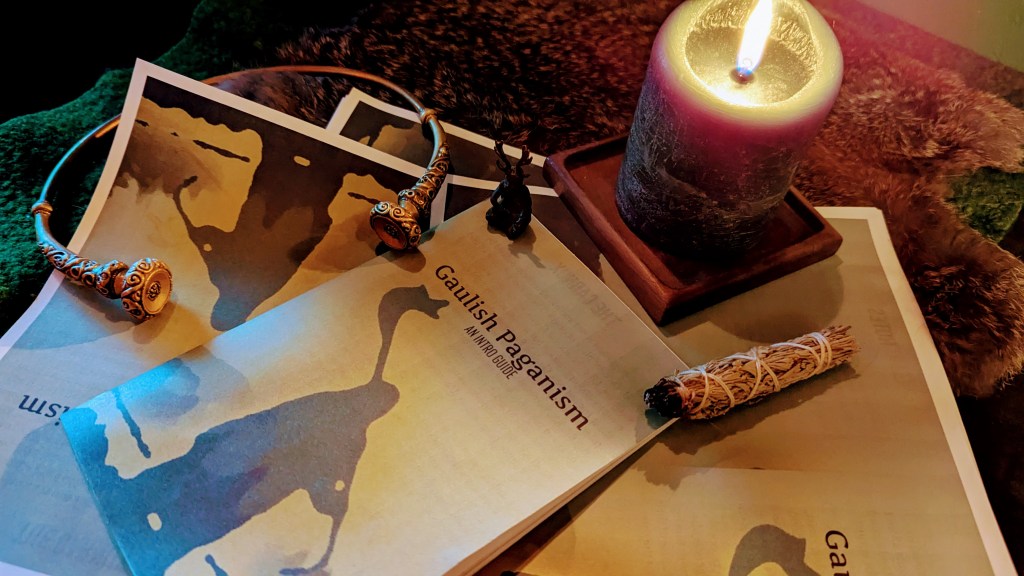



 Gaulish Paganism