

1. Core Sources (reading and reference)
- Marcellus Empiricus, De medicamentis liber – Provides references to medicinal plants used in Gaul and neighboring regions. Focus on plants with Gaulish mentions or practices.
- Dioscorides, De materia medica – A classical text describing herbal properties; use it to understand how the Gauls may have approached healing and plant knowledge.
2. Simple Research Steps
- Anchor on One Plant: Choose a single herb that draws your attention. For example: Yarrow, Willow, or Mugwort.
- Trace Mentions: Look for references to your chosen herb in both ancient sources and modern compilations. Take note of its uses, symbolic meaning, and any ritual significance.
- Contextual Connections: Consider where the plant grows, which tribes might have used it, and any associated Dēuoi or festivals. Record your observations in a simple notebook or digital document.
3. Gentle Spiritual Practice
- Observation & Offering: Find a specimen of your chosen herb, even in a garden or local park. Sit quietly with it, notice its scent, texture, and form. Offer a simple acknowledgment to the spirits, the Dēuoi, or the ancestors—just a word, a touch, or a small ritual of gratitude.
- Reflection: After your offering, write a line or two about what this plant might teach you—its strengths, resilience, or place in the cycles of nature. This connects research with personal Gnosis.
This starter pack gives you a small, safe, and focused entry point. You can expand naturally: add more herbs, compare with tribal practices, or explore ritual uses, all at your own pace. The goal isn’t perfection; it’s curiosity, observation, and gentle connection with the living Gaulish tradition.
Always be aware and cautious of herbs you are unfamiliar with.
Uatis Studies – Samolouissus Gaulish Herb List – A modern compilation by the Druið of Galatîs Litauiâs, giving names, uses, and historical context for Gaulish plants.

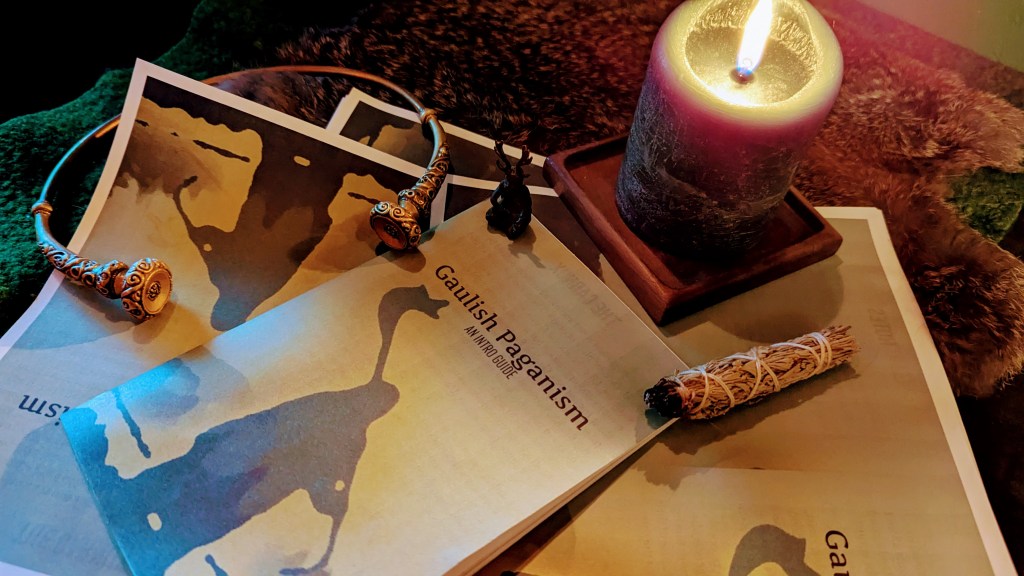






 Gaulish Paganism