

1. Core Sources (reading and reference)
- Corpus Inscriptionum Latinarum (CIL) – Look for inscriptions that mention the deity’s name. Even a single inscription can reveal location, context, or objects associated with the deity.
- RIB (Roman Inscriptions of Britain), EDH (Epigraphische Datenbank Heidelberg) , RIG (Recueil des Inscriptions gauloises), or Epigraphik-Datenbank – Online databases for quick access to inscription records.
- Secondary Literature – Check academic references or articles that discuss the deity, e.g., the Dēuoi Inscriptions page maintained by the community. Focus on concise notes and key details.
2. Simple Research Steps
- Anchor on One Deity: Choose a deity that sparks your curiosity. Even limited information is enough to start.
- Collect Contextual Details: Note the location of inscriptions, the type of object, imagery, and any associated tribes or rituals.
- Name Analysis: If only the name survives, attempt a basic linguistic breakdown. Even tentative meanings can guide further understanding. Document your observations in a notebook or digital file.
3. Gentle Spiritual Practice
- Quiet Invocation: Light a candle or sit in a natural space. Speak the deity’s name aloud and acknowledge its presence. This does not need to be elaborate—a simple greeting or act of respect is enough.
- Reflection: Write down any impressions, feelings, or thoughts that arise. These are part of your personal Gnosis, bridging your research with lived experience.
- Optional Offering: If you feel called, offer something small—a flower, herb, or symbolic token—without expectation, as a gesture of respect.
Notes for Beginners:
- You do not need to master all the sources at once. Take small, consistent steps.
- Curiosity and patience are your guides. Research and spiritual connection can grow together.
- Revisit and expand gradually: explore rituals, associated tribes, festivals, or symbolic patterns connected to the deity.

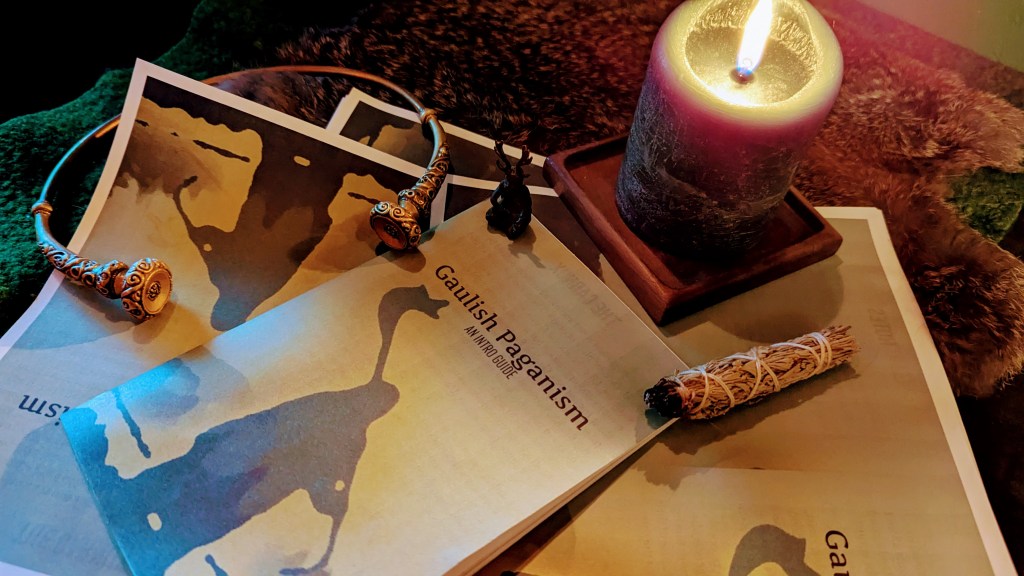





 Gaulish Paganism