1. Core Sources (reading and reference)
- Ancient Authors: Caesar’s Commentarii de Bello Gallico, Strabo’s Geographica, and Ptolemy’s Geographia provide historical and geographic context, though sometimes limited or biased.
- Maps: Use maps showing tribal territories and neighboring groups to visualize the region. Understanding geography helps connect cultural practices, resources, and deities.
2. Simple Research Steps
- Anchor on One Tribe: Choose a tribe that interests you—perhaps one linked to local geography, or a specific deity.
- Explore the Landscape: Identify their territory, neighbors, and major settlements. This situates the tribe in the broader Gaulish world.
- Cultural and Spiritual Connections: Look for mentions of their rituals, deities, and festivals. Note which Dēuoi were important to them, as this often informs spiritual practice and community identity.
3. Gentle Spiritual Practice
- Connection to Place: If possible, visit a landscape or natural feature that resonates with the tribe’s historic territory, even symbolically. Spend a few moments observing and acknowledging the place.
- Reflection: Write down any thoughts, feelings, or impressions that arise about the tribe—its strengths, challenges, or cultural essence.
- Ancestral or Tribal Offering: Offer something simple to honor the people of the tribe, the land, or their spiritual legacy—a small token, words of respect, or a quiet acknowledgment.
Notes for Beginners:
- Don’t worry about mastering every historical detail—focus on curiosity, observation, and connection.
- Take your time tracing their territory, customs, and spiritual associations.
- Over time, you can expand by exploring neighboring tribes, deities, or festivals, creating a layered understanding of the Gaulish world.
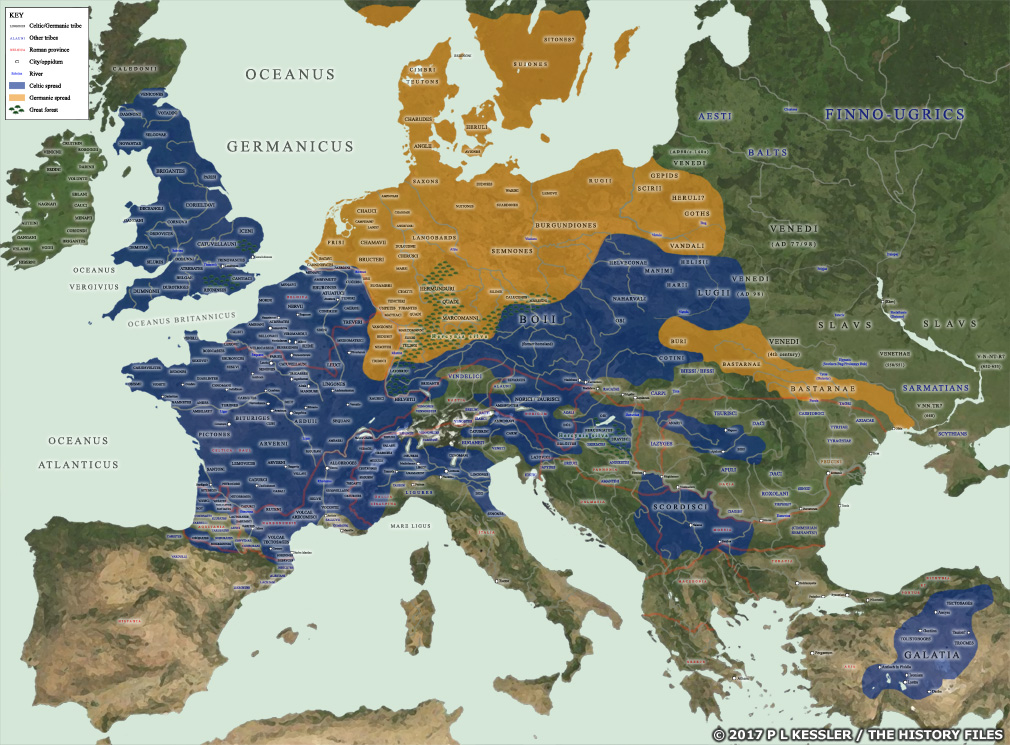
Anuanā Toutānon Galatānon – Names of the Gaulish Tribes by the Brennos of Galatîs Litauiâs – A community resource providing names, locations, and brief descriptions of the tribes.





 Gaulish Paganism