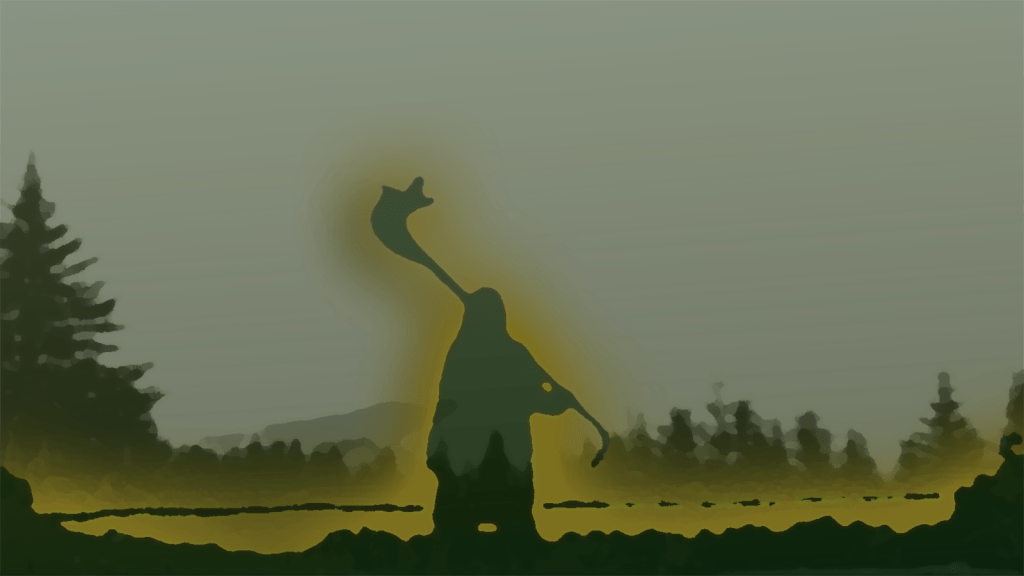
And the Dēuoi decided to use their skills and fashion two objects to illuminate the realm of Bitus so that the living beings – humans and animals – could see.
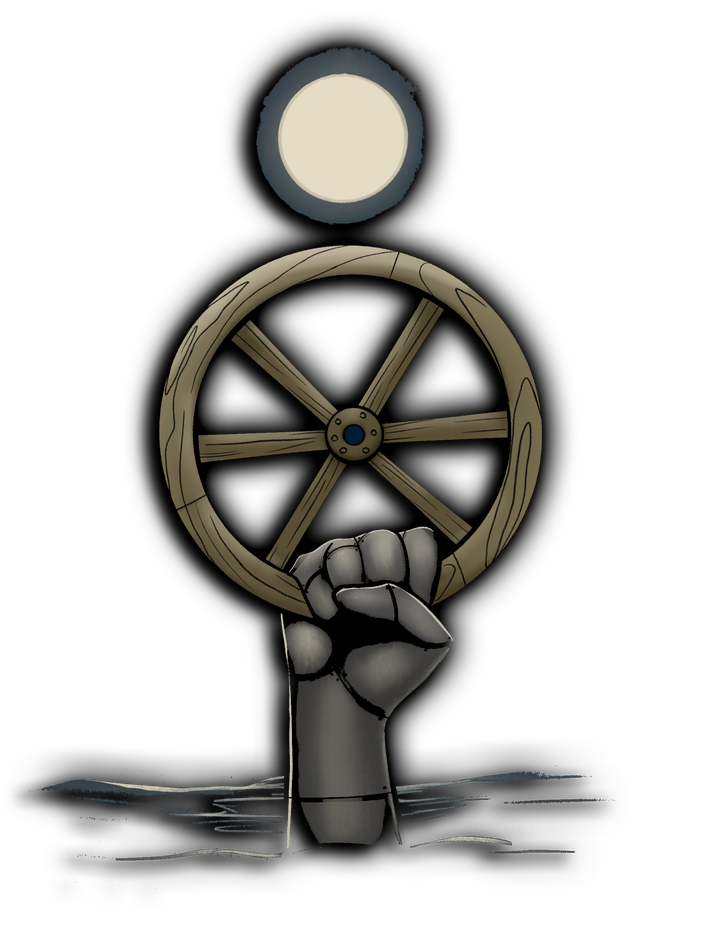
Gobannos fashioned a pair of four-spoked wheels out of the most durable and yet most plient substance in the cosmos. The Dēuoi took a small portion from Samos and Giamos and then placed them inside each of the wheels. The wheel containing Samos shined golden and threw off brilliant warmth. They named it Sonnos, ‘That Which Sets in Motion’ since it would stir the living things from sleep. The other wheel containing Giamos shined silvery but didn’t elicit any warmth, possessing instead a cold but magical quality to it. They named it Lugrā, ‘That Which Bends,’ since it would regulate the ebb and flow of water and a great many other hidden things.
The Dēuoi then debated about which illumination should be placed into the sky first. Both sides made valid points for their arguments. Yet no resolution was reached which they all agreed upon.
Finally, Carnonos, who had been sitting quietly listening to each side, spoke forth: “Both of these objects of illumination will benefit the realm of Bitus equally. But there is not one which takes precedence over the other. They, like all things in the cosmos, contradict and compliment one another just like the forces which feed their internal fires. They will be the liminal markers of day and night for the world of the living. But everything within the cosmos comes from darkness and so should it be now. Let Lugrā be placed in the sky first since it will be her light which will illuminate the dark. Then Sonnos will follow on his course through the day. Do we ourselves not bend to stand up before we put ourselves in motion? So should it be now as well.”
The Dēuoi agreed with the wise words of Carnonos. They placed Lugrā into the sky first. But she refused to traverse across the sky. Then Sucellos unleashed one of his wolves into the sky to chase Lugrā and force her to move. When she had completed her journey, the Dēuoi placed Sonnos into the sky. But he refused to follow his course as well until Sucellos unleashed another of his wolves into the sky to chase him. And so Sucellos set the boundaries of Lugrā and Sonnos through the use of his obedient wolves.
But the wolves of Sucellos also contained a wild nature despite their obedience to the commands of Sucellos.
The wolf who followed Sonnos could not get close enough to him because of his fiery heat. Yet every once in a while, the wolf would get close enough to eclipse Sonnos inside his vast jaws. And when that occurred, Sucellos would rise up out of Dumnos and drive the wolf back.
The wolf who chased Lugrā eclipsed her completely as well and Sucellos would also drive it away. But that wolf also was able to get close to Lugrā because she didn’t possess a fiery heat like Sonnos. The wolf would take tiny bites out of her at a time until she was not visible in the night sky. At that moment, Lugrā would use the magical powers of Giamos to renew herself. And so the waxing and waning of Lugrā measured time for the living.
This myth is a collaborative work between the members of Drunemeton.




 Gaulish Paganism
Leave a comment